Si Futures Blog
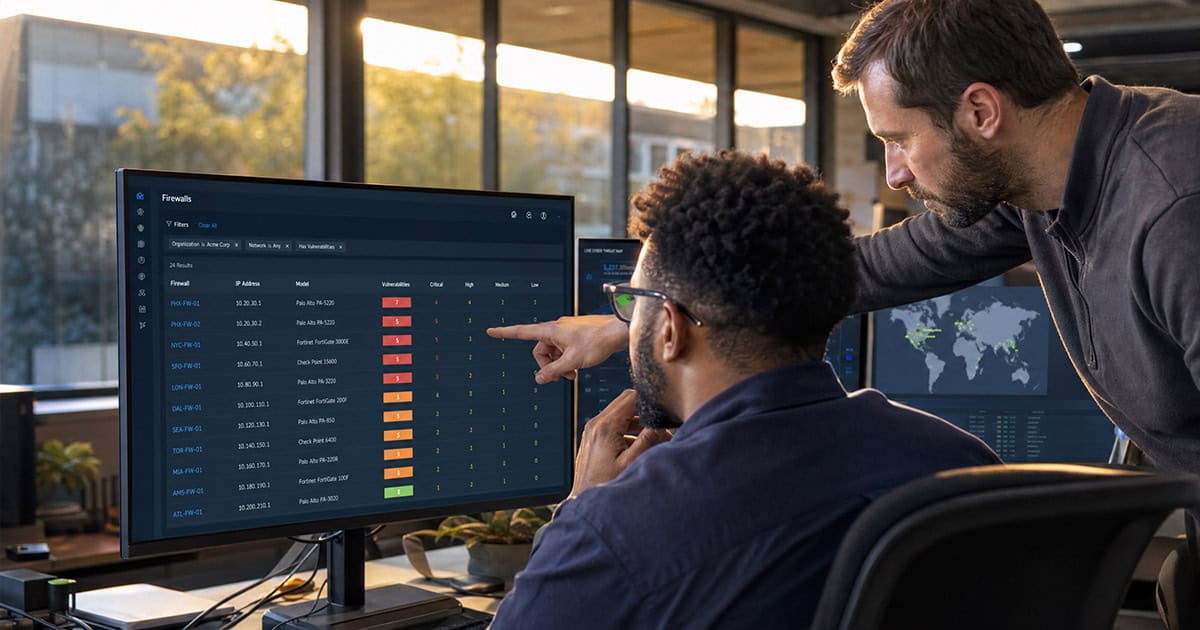
Finding the Vulnerability Was Never the Hard Part
Detection was never where the time went. Geordie Hogarth explains how Si Futures turned vulnerability management from hours of client-by-client navigation into a single fleet-wide board, and why the question to ask your provider is not “do you scan?” but “show me what you decided, and when.”
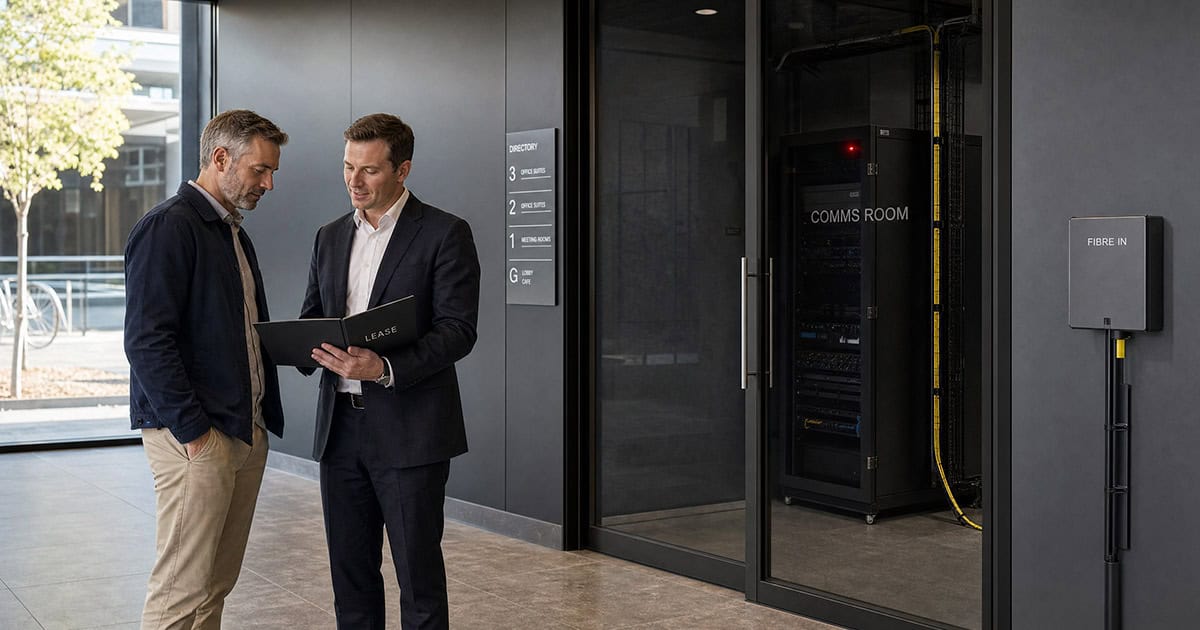
Ask Your Landlord This Before You Sign the Lease
wo connections only protect you if they reach your premises by different routes, and the building can decide some of that for you. Charles Cannon explains why one question to the landlord before you sign the lease can save you from a backup line that shares a cable with your main one.
Everyone’s Building AI Tools. Who’s Keeping Them Consistent?
Building AI tools is the easy part. Keeping them consistent is the real work. Geordie Hogarth shares what Si Futures changed after about twenty people started using AI daily, why only a handful of rules should be non-negotiable, and why every business needs a framework before its AI tools drift apart.

Why We’re Moving Clients Off SSL VPN Before They’re Forced To
Fortinet has removed SSL VPN tunnel mode from FortiOS 7.6.3, and an unplanned upgrade can leave remote staff without a connection. Jacques van der Merwe explains why Si Futures is migrating clients to IPsec VPN roughly a year ahead, how running both side by side protects users, and what to check before you upgrade.

The Password Manager Setting That Keeps Client Details Off Your Screen
Password managers make strong, unique passwords practical, but their default autofill matching can expose other clients’ logins when you share your screen. Robin Martin explains the single 1Password setting that fixes it, which logins to change first, and why this small habit protects your clients’ privacy as much as your own.

When One Person Becomes Your Reporting Bottleneck
Si Futures Senior Engineer Rudie de Vries explains how a single engineer’s manual account activity investigation process was turned into a self-service Microsoft 365 activity monitoring tool — cutting a security incident timeline task from hours to minutes for the whole team.