“We’ll Bring the Receipts”: A New Approach to Service Level Agreements
Corporate Governance • Service Accountability
Strategic Summary: The IT industry is facing a credibility crisis driven by vague promises and generic SLAs. Si Futures is shifting the narrative from “trust-based” to “evidence-based” delivery, treating service agreements as strategic business tools that provide quantifiable ROI and board-level accountability.
The Credibility Crisis in IT Support
The reality across our industry reveals a troubling pattern: many providers offer generalised SLAs with little substance, while others operate without formal agreements entirely. This lack of consistency leaves business leaders unable to measure actual delivery against promised outcomes, making it impossible to demonstrate technology value to the board.
A “Concierge” Methodology for SLAs
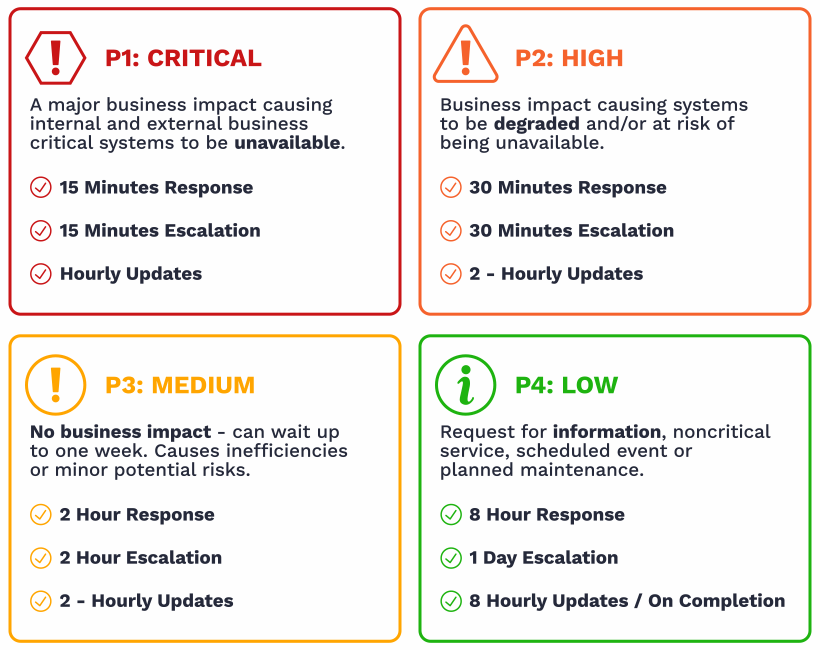
We treat service level agreements as personalized frameworks tailored to specific operational requirements. A retail operation’s uptime needs differ vastly from those of a global corporate firm. By understanding how technology availability impacts revenue, we move away from generic templates and toward strategic instruments of competitive advantage.
From Promises to Proof
Modern corporate governance demands measurable accountability. Our approach provides IT managers with:
- Board-Ready Materials: Performance data that proves technology investment returns.
- Expectation vs. Reality: Monthly transparency reports that document actual delivery.
- ROI Evidence: Quantifiable proof of how IT spends translate into operational efficiency.

Strategic Implications for Growth
For growing SMEs, evidence-based service delivery enables confident scaling. Documented excellence identifies optimization opportunities before they impact operations and provides a sustainable differentiation that generic promises cannot match. When technology solutions are matched to specific needs through measurable frameworks, the IT department evolves from a cost centre to a strategic enabler.
The future of IT is not about “trusting” the provider—it’s about seeing the receipts.